What to Buy First for Your First Apartment: A Room-by-Room Priority Order
Design theme: Minimalist
A room-by-room priority order for what to buy first for a first apartment, plus a worked budget example and checklist for sequencing purchases without running out of money.
As an Amazon Associate, Nido earns from qualifying purchases.
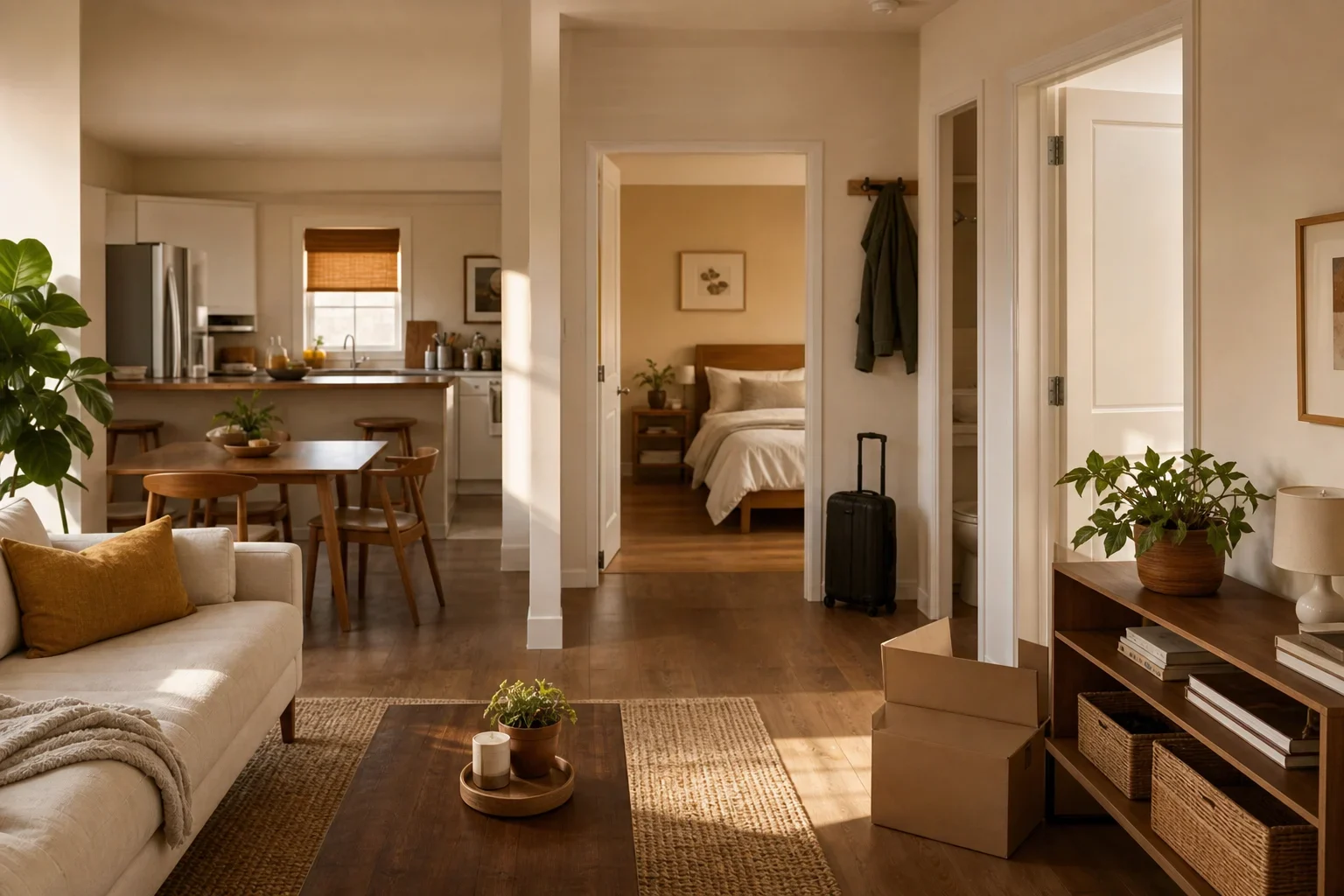
Standing in an empty apartment with a budget and a long list, the real question isn't what you'll eventually need — it's what to buy first for a first apartment so you can sleep, eat, and function this week without draining the budget on things that could wait. This guide gives you a priority order, realistic room-by-room cost expectations, and a checklist for sequencing purchases so the last room doesn't get left with nothing.
Why order matters more than your total budget
Furnishing budgets usually fail because the first room bought — often the living room — absorbs too much, leaving the bedroom, kitchen, and bathroom to split whatever's left. Published cost breakdowns consistently show the living room and primary bedroom together making up the majority of a typical apartment furnishing budget, so setting an order before buying anything protects the rooms that come later.
The four-tier priority framework for what to buy first
Tier 1: Survival (day one)
- Mattress, sheets, a pillow
- One working light source per room used after dark
- Towel, shower curtain, basic bathroom items
- A way to eat one meal — plate, cup, something to heat food
Tier 2: Function (week one)
- Bed frame; a place to sit in the living room
- Dresser or another place for clothes
- A table surface for eating and working
- Basic kitchen tools — pan, knife, storage containers
Tier 3: Comfort (weeks two to six)
- Upgraded seating, coffee table, a rug
- Nightstands, floor and table lamps
- Window coverings for privacy and light control
- Entryway storage — hooks, shoe rack, small console
Tier 4: Style (month two onward)
- Art, decorative objects, plants
- Accent chairs, pillows, throws
The first-apartment priority checklist
| Tier | Buy this first | Why it can't wait |
|---|---|---|
| 1 — Survival | Mattress, one lamp, towels, one meal setup | Needed functioning within the first 72 hours |
| 2 — Function | Bed frame, dresser, table, basic seating, kitchen basics | Makes the apartment livable day to day |
| 3 — Comfort | Rug, upgraded seating, window coverings, entryway storage | Solves 'it works but it's uncomfortable' problems |
| 4 — Style | Art, decor, accent pieces | Doesn't affect whether you can function in the space |
Room by room: what actually gets bought first
Bedroom
The bedroom is usually covered first because sleep isn't optional. Prioritize the mattress and a light source, then a frame and dresser.
Kitchen and dining
A small table and a few cooking basics carry you through the first weeks; a full dining set is comfort or style tier and can wait.
Living room
This is the room most likely to absorb too much of the budget too early. Basic seating and a coffee table are function tier; a full sofa upgrade, rug, and accent pieces are comfort and style tier.
Bathroom
Small in dollar terms but survival tier — towels and basic storage need to be in place before move-in night.
Minimalist product idea: 6th Generation Japanese Floor Futon Mattress - Extra-Thick 9-Layer Modern Futon with 100% High-Density Foam, Portable Floor Mattress Sleeping Pad for Adults, Guest Room, Dormitory, Twin Size (39"X80"). This maps directly to Tier 1 in the priority framework: a mattress you can sleep on the first night without a bed frame yet in the room. A floor futon lets a new renter cover the single non-negotiable purchase (sleep) before spending on a frame, which the guide places in Tier 2 once the budget allows. Its low-profile, foldable format also suits a minimalist first apartment where floor space and a pared-back look matter more than a bulky frame right away.

Entryway
Often skipped in the first wave of buying, but hooks and a place to drop shoes prevent clutter from spreading everywhere else. This is comfort tier — useful early, not urgent on day one.
What each room actually costs, roughly
Published cost breakdowns vary by brand tier and region, but they agree on the shape of the budget: living room and bedroom are consistently the two largest line items.
| Room | Typical mid-range range | Note |
|---|---|---|
| Living room | roughly $2,000–$10,000 | Sofa, rug, coffee table, media unit, lighting; the widest range since sofa quality moves it most |
| Primary bedroom | roughly $2,500–$8,000 | Mattress, frame, dresser, nightstands, bedding |
| Kitchen & dining | roughly $1,000–$4,500 | Table, chairs, basic cook and storage items |
| Bathroom | roughly $150–$700 | Small dollar amount, but time-sensitive |
| Entry & hallway | roughly $150–$500 | Console, hooks, a runner |
Two patterns to plan around: hidden costs such as delivery, assembly, and small extras commonly add 15–30% on top of your planned furniture spend, and living room plus bedroom together often represent around 60–70% of a first-apartment budget. Build both into your number before you start ordering.
Worked example (hypothetical)
The following is a hypothetical scenario to illustrate the priority order in action — not a real household or a Nido customer record.
Imagine a renter, Priya, moving into a one-bedroom apartment with a $6,000 budget and three weeks before move-in. A possible sequence:
Minimalist product idea: DUMOS 6-Drawer Storage Cabinet, 59" Wide Modern Chest of Drawers, Wood | Storage TV Stand with Metal Handles, Wide Wooden Farmhouse Drawer Organizer for Bedroom, Living Room, Hallway, Home Office. A dresser sits squarely in Tier 2 (Function) of the checklist — 'a dresser or another place for clothes' is listed as a week-one need once the mattress and lighting are handled. Because this piece is described as doubling as a TV stand, it can also stand in for living-room storage, helping avoid overspending on a separate media unit early on — useful given the guide's warning that the living room tends to absorb too much budget. Its clean-lined wood construction with metal handles fits a minimalist room where storage should read as simple, unfussy furniture rather than decor.
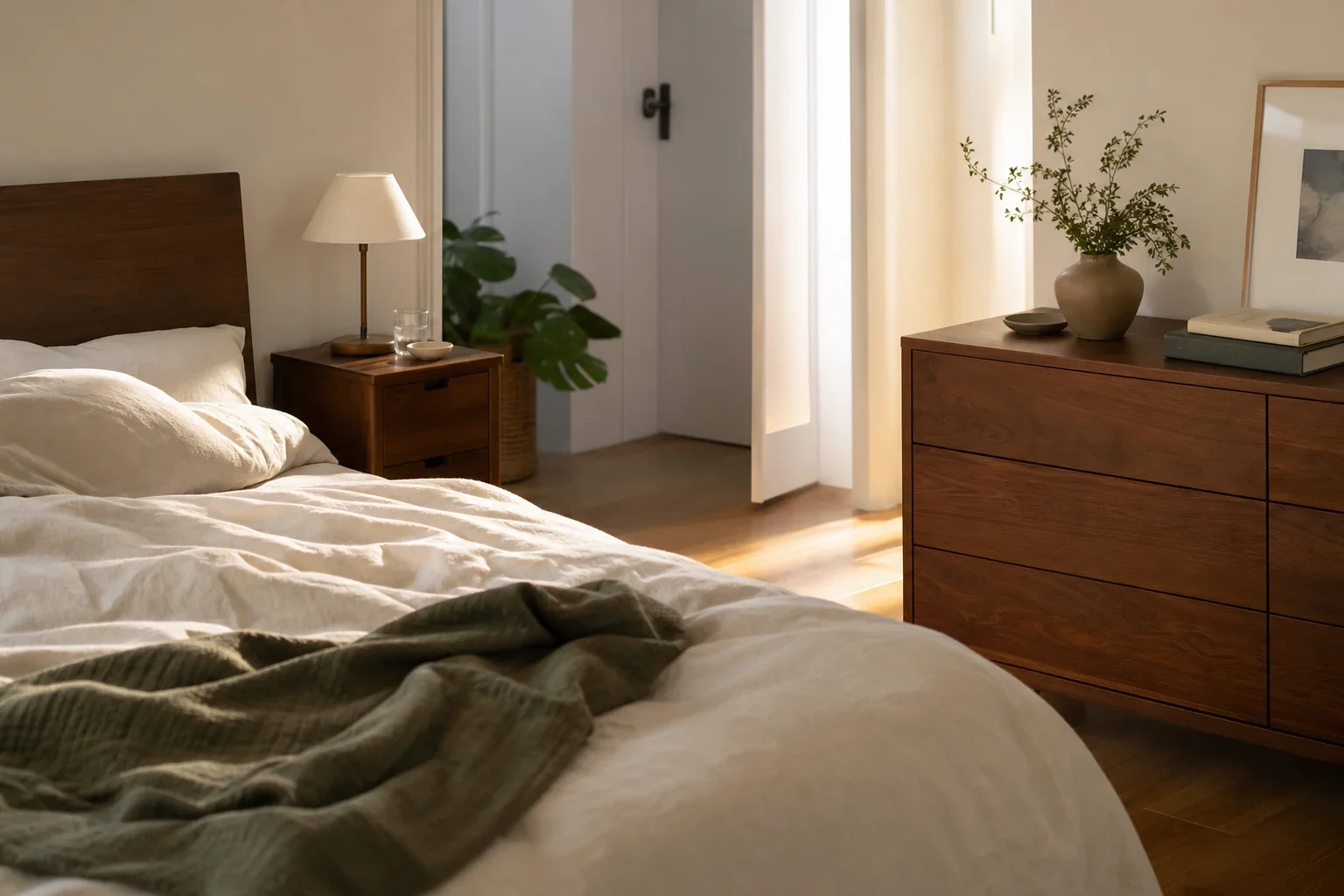
- Week 1 (Tiers 1–2, roughly $3,200): Mattress and frame, one lamp, a small table with two chairs, basic kitchen tools, towels and a shower curtain.
- Week 2 (Tier 2 continued, roughly $1,400): Dresser, a simple sofa, a second light source.
- Reserve ($1,000–$1,400): Held for hidden costs and a first pass at comfort-tier items like a rug once she's lived in the space a couple of weeks.
Notice what's missing from week one: art, an accent chair, decorative pillows — style tier, pushed to month two so the bedroom and bathroom stay funded.
Sequencing purchases without running out of money
- Price the whole apartment before buying anything — a running total across every room protects the last room from being shortchanged.
- Separate 'needed to function' from 'nice to have' before you shop, using the tier framework above.
- Hold back roughly 15–30% of your furniture total for delivery, assembly, and small extras.
Where Nido fits into this order
Nido won't sell furniture, move boxes, or replace professional advice — but it helps you hold this order without losing track of the budget. A short setup conversation turns your move-in date and rooms into a starter plan sequenced the way this guide describes. Room-by-room planning keeps every room's list visible at once, so the bedroom and bathroom stay in view alongside the living room. A budget tracker watches the running total across rooms and flags cheaper swaps before one room eats the plan. When you're ready to fill in pieces, AI-matched picks return real, in-stock products at your price point.
Related reading in this series
- First Apartment First Night Essentials: Your First 72 Hours
- The Half-Furnished Room Audit
- Buy Used Furniture First Apartment
- The College Off-Campus Apartment Checklist
- Find My Decorating Style Quiz
Later posts in this series will cover splitting a shared shopping list with a roommate, a room-measuring checklist before ordering large pieces, a per-room cost reality check, a paycheck-by-paycheck buying timeline, a multi-purpose furniture filter, and a standalone lighting checklist.
Frequently asked questions
What's the single most important thing to buy first for a first apartment?
The mattress. Sleep has no workaround, and cost breakdowns of first-apartment furnishing treat the bedroom as one of the two largest, most urgent categories alongside living room seating.
How much should I budget before I start buying anything?
Price the whole apartment first rather than one room at a time, and reserve roughly 15–30% above your furniture total for delivery, assembly, and small extras. Mid-range one-bedroom totals commonly land in the $5,000–$12,000 range across published guides, though your figure depends on quality tier and what you already own.
Minimalist product idea: EDISHINE LED Table Lamps for Living Room, Modern Dimmable Desk Lamp, Black | 3 Color Temperature, Memory Function, Metal Finish, Skinny Modern Minimalist Style for Bedroom, Corner. The checklist calls for 'one working light source per room used after dark' as a Tier 1 survival item, and a compact, dimmable table lamp covers that need in a bedroom or living corner without requiring any electrical or ceiling work. Because it's described as skinny and minimalist in style, it fits an apartment being furnished with a pared-back aesthetic from day one, and its adjustable color temperature means it can serve function-tier practicality now and comfort-tier ambiance later without needing a second lamp purchase.
Should I buy everything before move-in day or spread it out?
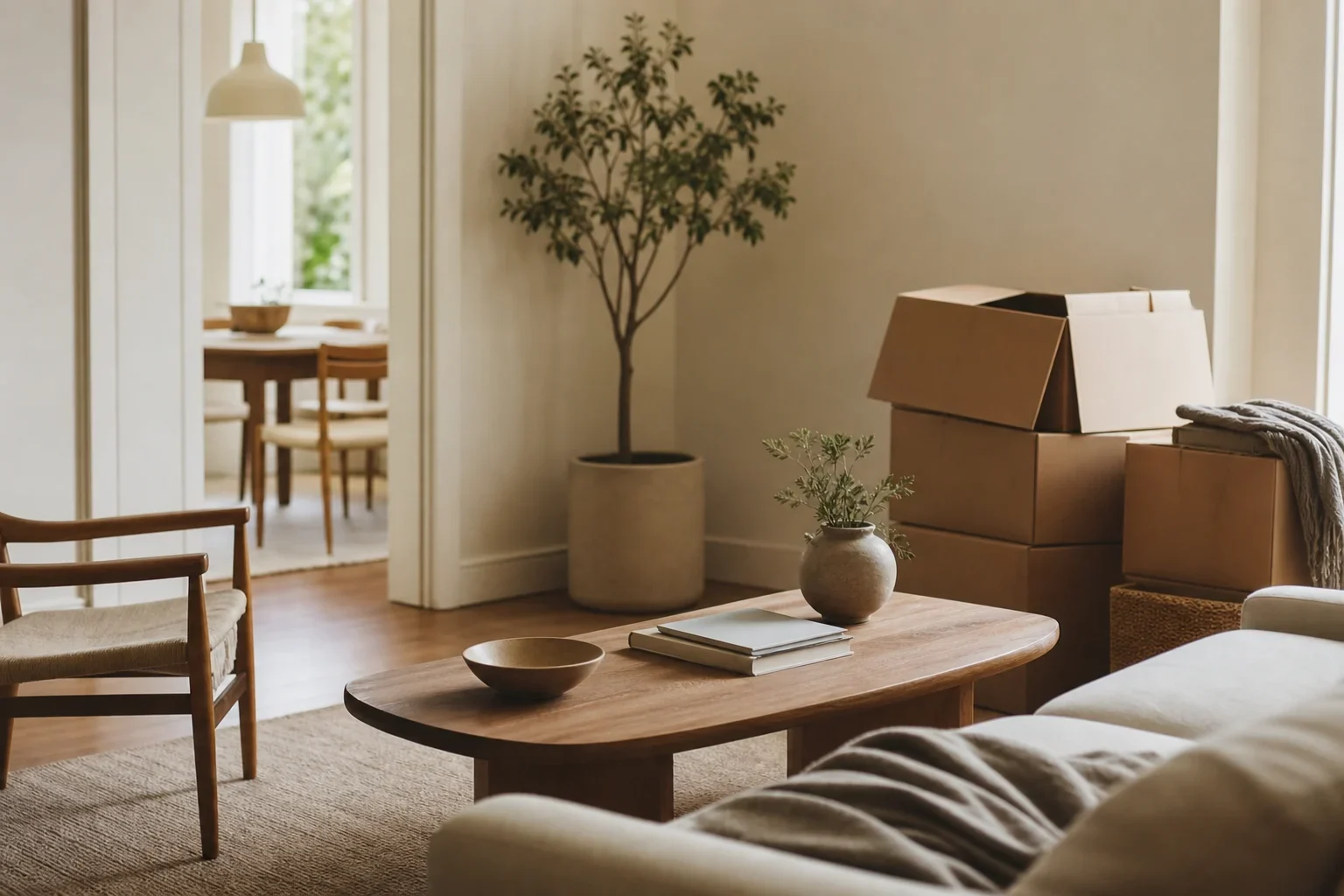
Spreading purchases out — covering survival and function tiers first, then comfort and style tiers over following weeks — is a common approach because it avoids impulse buys and lets you live in the space before deciding what it needs. Phased buying has been cited as a way to meaningfully reduce total spend versus furnishing everything at once.
Which room should get the biggest share of the budget?
The living room and primary bedroom, in that order or close to it. Across multiple published breakdowns these two rooms make up roughly 60–70% of a typical furnishing budget, so protecting their share before shopping the kitchen or entryway matters more than getting every room's decor finished at once.
What hidden costs should I plan for beyond the furniture price tags?
Delivery, assembly, and the small extras (curtains, hangers, cleaning supplies) commonly add 15–30% on top of the furniture total itself. Building that reserve in from the start prevents a checkout surprise on your biggest purchases.
Do I need to buy new, or can secondhand cover part of this list?
Secondhand works well for case goods like dressers and tables where quality differences matter less; new tends to make more sense for the mattress and other items where hygiene or fit matter. A dedicated new-vs-used-vs-borrow filter can help sort your specific list.
What if I'm splitting this apartment with a roommate?
The tier framework still applies, but you'll also need to agree on who buys what in each tier so nothing gets purchased twice or skipped. A roommate-specific worksheet for dividing categories and cost is a useful next step once your priority order is set.
Shop the Minimalist look
As an Amazon Associate, Nido earns from qualifying purchases.

6th Generation Japanese Floor Futon Mattress - Extra-Thick 9-Layer Modern Futon with 100% High-Density Foam, Portable Floor Mattress Sleeping Pad for Adults, Guest Room, Dormitory, Twin Size (39"X80")
This maps directly to Tier 1 in the priority framework: a mattress you can sleep on the first night without a bed frame yet in the room. A floor futon lets a new renter cover the single non-negotiable purchase (sleep) before spending on a frame, which the guide places in Tier 2 once the budget allows. Its low-profile, foldable format also suits a minimalist first apartment where floor space and a pared-back look matter more than a bulky frame right away.
View on Amazon
DUMOS 6-Drawer Storage Cabinet, 59" Wide Modern Chest of Drawers, Wood | Storage TV Stand with Metal Handles, Wide Wooden Farmhouse Drawer Organizer for Bedroom, Living Room, Hallway, Home Office
A dresser sits squarely in Tier 2 (Function) of the checklist — 'a dresser or another place for clothes' is listed as a week-one need once the mattress and lighting are handled. Because this piece is described as doubling as a TV stand, it can also stand in for living-room storage, helping avoid overspending on a separate media unit early on — useful given the guide's warning that the living room tends to absorb too much budget. Its clean-lined wood construction with metal handles fits a minimalist room where storage should read as simple, unfussy furniture rather than decor.
View on Amazon
EDISHINE LED Table Lamps for Living Room, Modern Dimmable Desk Lamp, Black | 3 Color Temperature, Memory Function, Metal Finish, Skinny Modern Minimalist Style for Bedroom, Corner
The checklist calls for 'one working light source per room used after dark' as a Tier 1 survival item, and a compact, dimmable table lamp covers that need in a bedroom or living corner without requiring any electrical or ceiling work. Because it's described as skinny and minimalist in style, it fits an apartment being furnished with a pared-back aesthetic from day one, and its adjustable color temperature means it can serve function-tier practicality now and comfort-tier ambiance later without needing a second lamp purchase.
View on Amazon