Find My Decorating Style Quiz: Choose a Direction Before You Shop
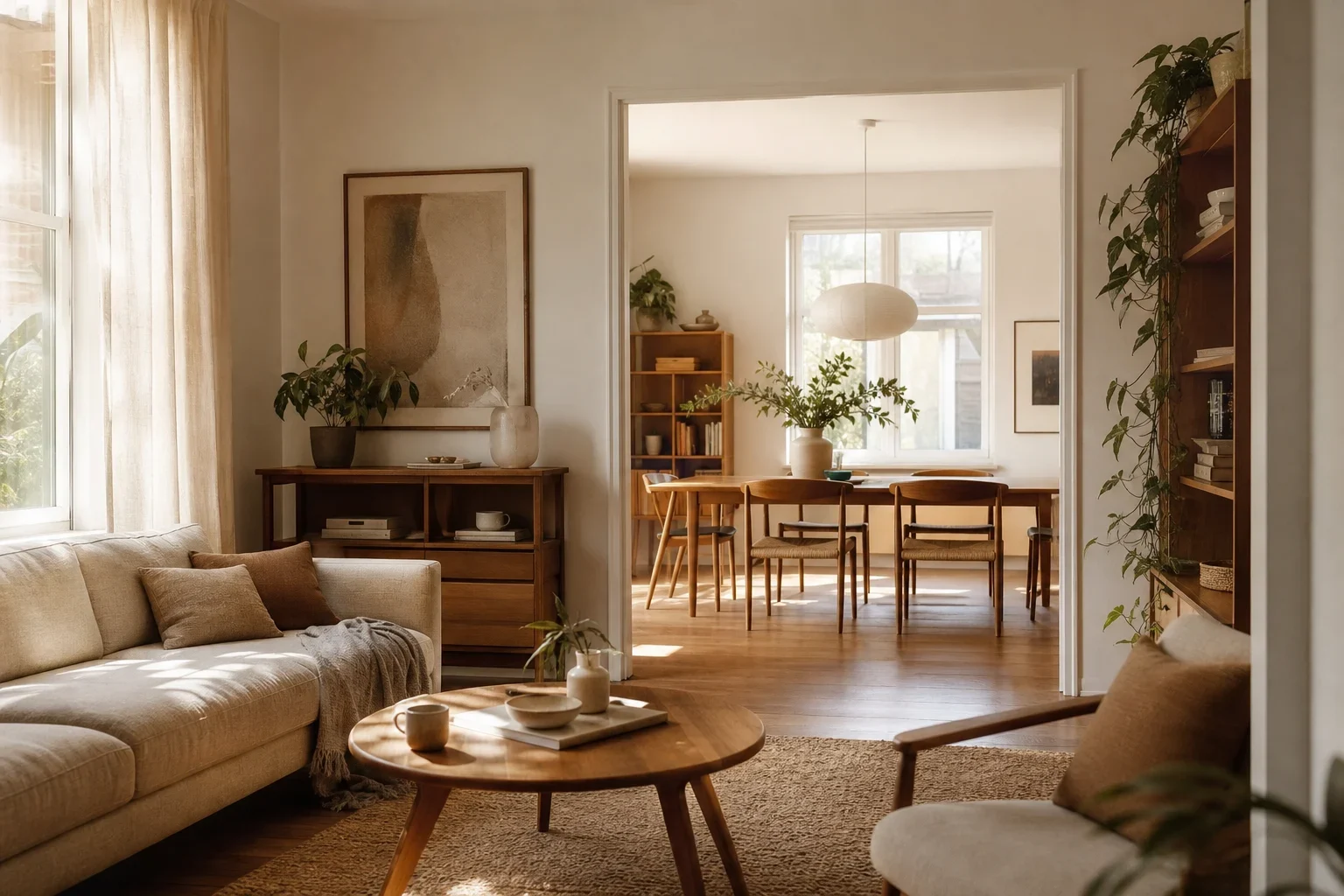
Design theme: Scandinavian
A step-by-step walkthrough of taking a short style quiz before buying more furniture, with a prep checklist and a worked example of how two different results change what you shop for next.
As an Amazon Associate, Nido earns from qualifying purchases.
If you are searching for a “find my decorating style quiz” guide, start by choosing one room and a realistic furnishing budget. If you've been circling the same three browser tabs for weeks — a rug here, a lamp there, none of it quite committed to — the problem usually isn't the shopping. It's that you're shopping without a defined style. Every item becomes its own decision, weighed against no clear standard, which is exhausting in a way that has nothing to do with taste and everything to do with missing information.
A short style quiz fixes that by giving you two things before you buy anything else: a named aesthetic and a realistic price range. This guide walks through how to take one well, what to do with the result, and a worked example of how two different results change what actually goes on a shopping list.
How a find my decorating style quiz reduces decision fatigue
Furnishing decisions compound. A rug choice depends on a color direction. A color direction depends on whether you're leaning warm or cool, ornate or spare. Without that direction settled, every single item — rug, lamp, art, side table — reopens the same unresolved question from scratch. That's the fatigue: not too many choices, but the same foundational choice being re-litigated over and over.
Settling the style question once, up front, removes it from every purchase that follows. That's the entire value of a quiz-based approach: it turns one open question into a fixed answer you can shop against for months.
Before you take the quiz: a 4-point prep checklist
- Pick one room to picture. Answer with your living room or bedroom in mind specifically, not your taste in general. Context sharpens the read.
- Note one piece you already own and like. If a specific chair, rug, or shelf still feels right to you, keep it in mind — your result should feel compatible with it, not opposed to it.
- Have a rough monthly or total budget ceiling in mind. You don't need an exact number, just an order of magnitude, so a price range result feels usable rather than abstract.
- Set aside the urge to answer for what you think you should like. Answer for what actually makes a room feel comfortable to you, not what looks best in photos. Quiz results are more useful when they reflect instinct, not aspiration.
What the quiz actually asks
Nido's style quiz is built to be short on purpose: seven quick picks, each a visual choice rather than a written question, so you're reacting rather than overthinking. The result names a clear aesthetic direction and pairs it with a price range, so you leave with two settled facts instead of one more open-ended browsing session.

Scandinavian product idea: Raico Round Side Table 100% Solid Wood Occasional Table Minimal Scandinavian End Table for Living Room Sofa Table (Natural Oak). A round, natural-oak side table like this fits the Scandinavian-leaning shopping list described for Renter A: clean lines and a light wood tone that pairs easily with muted neutrals rather than competing with them. It works well as the single anchoring piece next to a sofa, giving a defined style result something concrete to shop for first.
Worked example (hypothetical): two renters, two results
The following is a hypothetical illustration, not a real customer case, meant to show how a quiz result changes what you actually shop for.
Renter A pictures their living room while answering and gravitates toward clean lines, muted neutrals, and a mid-range budget. Their result names a Scandinavian-leaning direction with a moderate price range. Next shopping trip: a light wood side table, a simple wool-look rug, and a single sculptural floor lamp — nothing ornate, nothing patterned.
Renter B pictures the same kind of empty living room corner but is drawn to warmer tones, layered textures, and mixed materials. Their result names an eclectic direction with a similar budget range. Next shopping trip: a patterned rug, a woven basket for storage, and framed art with visible texture — items that would have looked out of place on Renter A's list, and vice versa.
Same starting problem — an empty corner — two different, equally valid shopping lists. Neither renter had to guess; the quiz result told them where to start looking.

Scandinavian product idea: 10x12 Area Rugs for Living Room: Large Rugs Washable Stain Resistant Non Slip Distressed Vintage Rug Low Pile Faux Wool Soft Carpet for Bedroom Farmhouse Dining Room Nursery Kids Playroom. A low-pile, simple rug of this kind matches the 'wool-look rug, nothing patterned' item on the Scandinavian-leaning shopping list in the worked example, offering a quiet, low-contrast base layer for a living room rather than a bold focal point. Its washable, low-pile description also suits a practical, no-fuss approach that tends to pair well with a pared-back aesthetic.
After your results: three-step follow-up
- Write your style and price range down somewhere you'll actually see it — a note, a shared list, a plan — so it's the first thing you check before adding anything new to cart.
- Re-check one item you were already considering against the result. If it doesn't fit, that's useful information now, before you've bought it.
- Use the result as your filter going forward, not a one-time answer. Every future purchase gets faster once you're shopping against a defined direction instead of starting the aesthetic question over each time.
Taking the quiz doesn't finish a room by itself — it just removes the guesswork that was stalling every purchase after it. For the fuller sequence of auditing what's missing, turning gaps into a shoppable list, and tracking budget room by room, see the companion guide, Finally Finish Furnishing Your First Apartment: A New Year Style Reset.
Frequently asked questions
How should I prepare for a decorating style quiz?
Picture one specific room, note a piece you already own and like, and set a rough furnishing budget. Answer for the room you want to live in rather than a look you feel you should choose.
Do I need to replace furniture I already own?
No. Use a piece you already enjoy as a reference when answering. The result can help you choose compatible additions instead of replacing everything at once.
What should I do after I get my style result?
Write down the aesthetic and price range, then compare one item you were considering with that direction. Use the same filter for later purchases so each decision starts from a clear plan.

Scandinavian product idea: Novogratz x Globe Harrington 65 in Floor Lamp, 2-Tone Wood-Tone Base | Teardrop Shape with a White Fabric Shade, Rotary Switch on the Socket, Fits a Reading Nook or Couch Corner, Standard Bulb. A wood-toned floor lamp with a simple white shade lines up with the 'single sculptural floor lamp' called out in the Scandinavian-leaning example — one clear light source rather than layered fixtures, sized for a reading nook or couch corner exactly where that renter's shopping list left an empty space.
Can two people with similar budgets choose different styles?
Yes. The hypothetical examples in this guide show how the same empty corner and a similar budget can lead to different shopping lists. Choose the direction that fits your preferences and the room you are furnishing.
Will a style quiz finish my room for me?
No. It gives you a starting direction. You still need to identify what is missing, decide which purchases matter most, and keep track of your room budget.
Further reading: Blogs | NationwideBuyingGroup.
Shop the Scandinavian look
As an Amazon Associate, Nido earns from qualifying purchases.
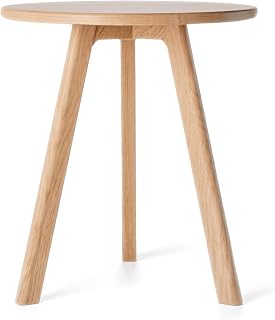
Raico Round Side Table 100% Solid Wood Occasional Table Minimal Scandinavian End Table for Living Room Sofa Table (Natural Oak)
A round, natural-oak side table like this fits the Scandinavian-leaning shopping list described for Renter A: clean lines and a light wood tone that pairs easily with muted neutrals rather than competing with them. It works well as the single anchoring piece next to a sofa, giving a defined style result something concrete to shop for first.
View on Amazon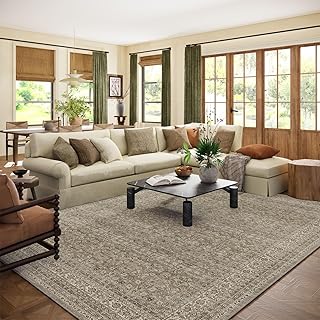
10x12 Area Rugs for Living Room: Large Rugs Washable Stain Resistant Non Slip Distressed Vintage Rug Low Pile Faux Wool Soft Carpet for Bedroom Farmhouse Dining Room Nursery Kids Playroom
A low-pile, simple rug of this kind matches the 'wool-look rug, nothing patterned' item on the Scandinavian-leaning shopping list in the worked example, offering a quiet, low-contrast base layer for a living room rather than a bold focal point. Its washable, low-pile description also suits a practical, no-fuss approach that tends to pair well with a pared-back aesthetic.
View on Amazon
Novogratz x Globe Harrington 65 in Floor Lamp, 2-Tone Wood-Tone Base | Teardrop Shape with a White Fabric Shade, Rotary Switch on the Socket, Fits a Reading Nook or Couch Corner, Standard Bulb
A wood-toned floor lamp with a simple white shade lines up with the 'single sculptural floor lamp' called out in the Scandinavian-leaning example — one clear light source rather than layered fixtures, sized for a reading nook or couch corner exactly where that renter's shopping list left an empty space.
View on Amazon