Hex Key Sizes for Flat-Pack Furniture: A Printable Sizing Cheat Sheet
Design theme: Minimalist
Stuck mid-build with the wrong Allen wrench? Here's how to figure out hex key sizes for flat-pack furniture, build your own reference sheet, and troubleshoot a bolt that won't catch.
As an Amazon Associate, Nido earns from qualifying purchases.
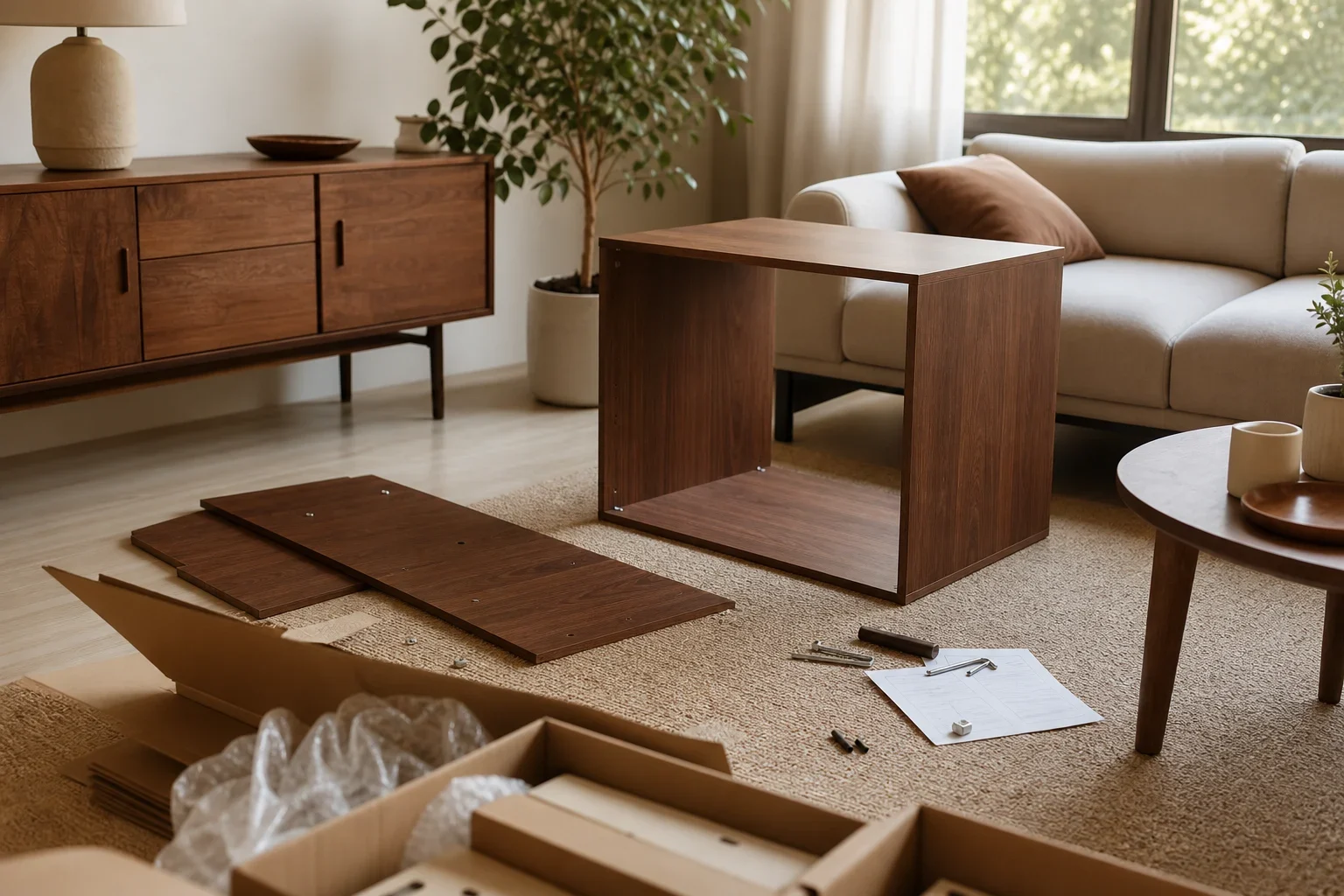
If you've ever stopped mid-assembly to squint at a tiny metal wrench and wonder which one actually fits the bolt in front of you, you already know why hex key sizes for flat-pack furniture deserve their own cheat sheet. Furniture brands don't standardize on a single size, and the free Allen wrench taped inside the box is often thin, slippery, and easy to lose the moment you need it again. This guide walks through the sizes you're most likely to encounter, how to build a simple reference sheet from your own deliveries, and what to do when nothing in your kit seems to fit.
Why hex key sizes for flat-pack furniture vary so much
Flat-pack furniture is assembled with cam bolts, connector screws, and side-rail hardware, and different manufacturers specify different bolt diameters for each job. A bed frame's side rail might use a larger bolt than a bookshelf's shelf pin, and a dresser's drawer slide might need something in between. Several assembly guides note that ready-to-assemble brands rely heavily on metric hex keys for exactly this mix of cam bolts, side rails, and connector screws, which is part of why one single key rarely covers an entire piece of furniture, let alone an entire apartment's worth of boxes.
Because there's no universal standard, the practical approach isn't memorizing one brand's spec sheet — it's keeping a full set on hand and a quick way to confirm fit before you force anything.
The hex key sizes you're most likely to need
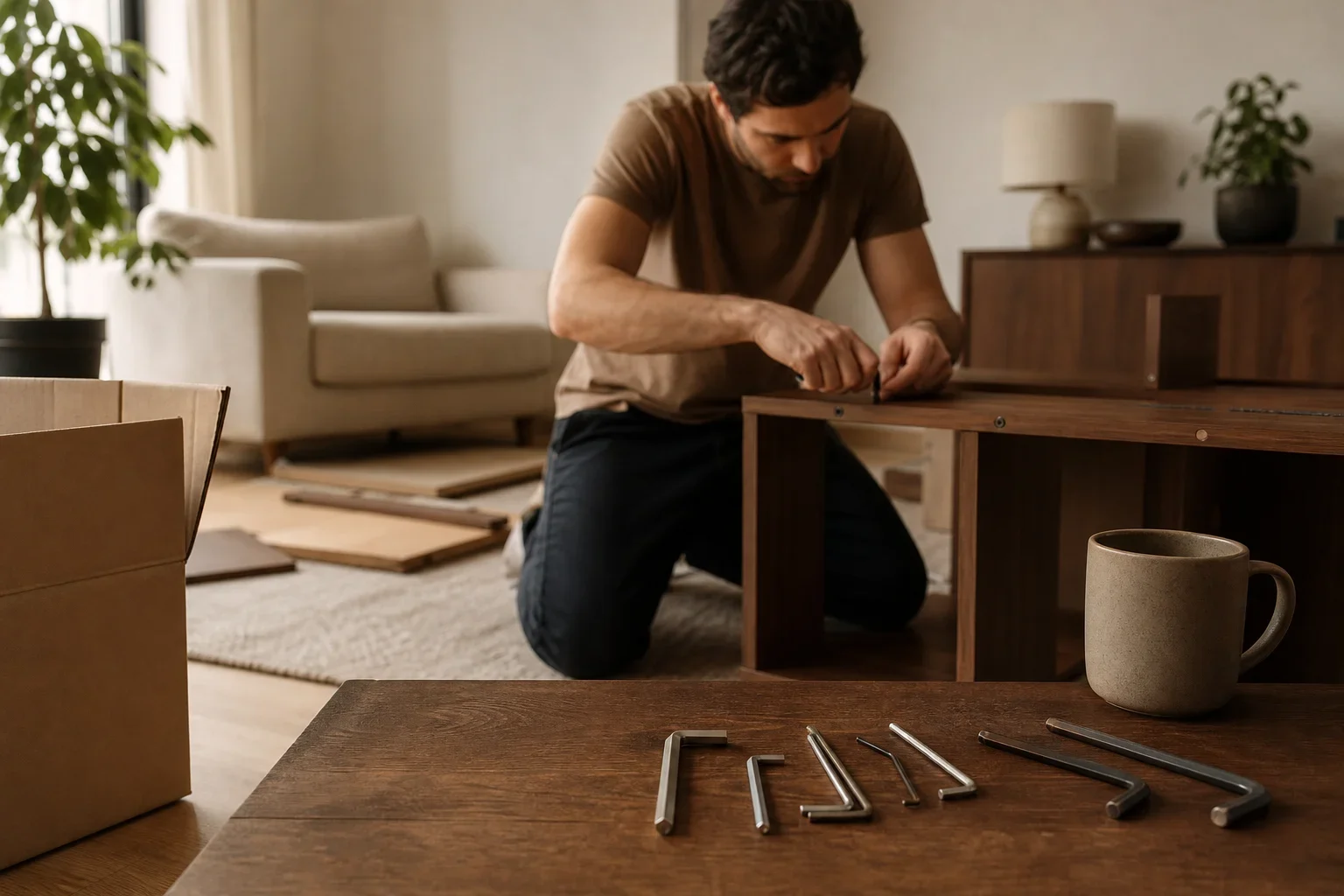
Most household flat-pack furniture uses metric hex keys in the smaller end of the range, generally somewhere between 2mm and 8mm, with the most common sizes clustering around 3mm, 4mm, 5mm, and 6mm for shelf pins, cam bolts, and connector screws. A basic household tool kit built for new homeowners and renters typically includes a hex key set that covers both metric and SAE sizes, since a handful of imported or specialty pieces still use inch-based hardware. Starter toolkits aimed specifically at apartment assembly often include an 8-piece hex key set as one of the core items, which is usually enough range to cover a bed frame, a dresser, and basic shelving without needing a trip back to the store.
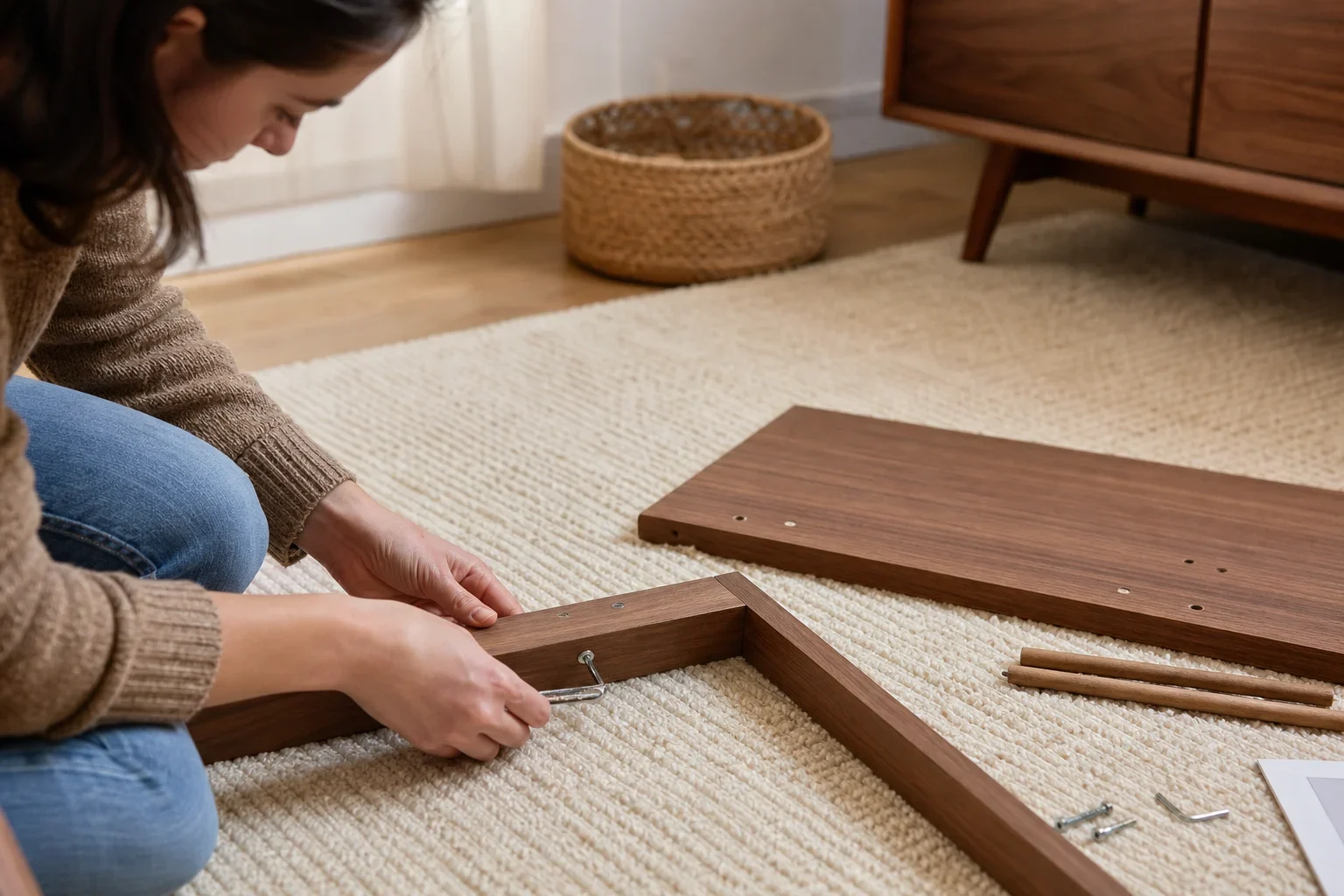
The free key that ships inside most furniture boxes only covers that one bolt size. It's worth keeping, but it shouldn't be your only tool — a thin, unlabeled key is hard to identify later and uncomfortable to turn repeatedly, which is part of why most flat-pack furniture assembly ultimately calls for an Allen or hex wrench set you own yourself rather than relying on whatever came in the box.
Minimalist product idea: ELEAD 31-Piece Hex Key Set - Allen Wrench Set, SAE and Metric Allen Keys MM(0.7mm-10mm) SAE(0.028"-3/8) Heat-Treated, Torque Handle, High Leverage, Long & Short Keys, Easy Organization. Since the guide stresses that no single hex key covers every flat-pack piece, a set spanning both metric and SAE sizes from roughly 0.7mm up to 10mm gives you the 3mm-6mm cluster the article calls out as most common, plus the larger and smaller sizes for edge cases like inch-based hardware. Keeping heat-treated, labeled keys on hand instead of relying on the thin wrench taped inside each box fits the minimalist approach of owning one consolidated tool set rather than a drawer full of mismatched loose keys from past deliveries.
Build your own hex key sizes for flat-pack furniture reference sheet
Rather than trying to memorize a universal size chart that doesn't really exist, build a running reference sheet from the furniture you actually own. It takes a few minutes per delivery and saves real time on your next build.
- Keep the manual. Most assembly instructions list the hex size needed for each step, usually printed next to the hardware diagram on the first page.
- Label the bag. Before you open the hardware bag, write the furniture piece's name and the hex sizes used directly on a sticky note or the bag itself.
- Test fit before forcing. Slide the key into the bolt head without turning. If it wobbles or doesn't sit flush, try the next size up before applying pressure — a loose fit is the most common cause of a rounded-out bolt head.
- Log it in one place. Keep a single note (paper or digital) listing each furniture piece you've assembled and the sizes it needed, so the next similar piece from the same brand is a known quantity.
- Store keys by size, not by set. If you've collected keys from multiple furniture boxes, group them by millimeter size in a small labeled pouch rather than leaving each one in its original packaging.
Worked example: a three-box delivery (hypothetical)
Say you're assembling a bed frame, a two-drawer nightstand, and a bookshelf that all arrive the same week. This is a hypothetical walkthrough to illustrate the process, not a claim about any specific retailer's hardware:
- The bed frame's manual calls for a 5mm key for the side-rail cam bolts and a 4mm key for the headboard brackets.
- The nightstand uses a smaller 3mm key for the drawer slides and includes its own thin key taped to the back panel.
- The bookshelf's shelf pins and back-panel screws both take a 4mm key, matching the headboard bracket size from the bed frame.
Instead of hunting for three separate loose keys, you'd confirm you have 3mm, 4mm, and 5mm keys in your own set before you start, note on your reference sheet that this brand tends to reuse 4mm across multiple pieces, and set the three included box keys aside as backups rather than primary tools. That one check, done before the first bolt goes in, is usually what prevents a stalled build later that evening.
What to do when none of your keys fit
If every key in your set either spins freely or won't seat into the bolt head, stop before you force it — a key that's slightly too small will round off the bolt's edges, and a stripped bolt head is far harder to remove than it was to avoid in the first place. Double-check the manual for a size you might have skipped, try the half-sizes between your main set if you have them, and as a last resort use the thin key that shipped in the box, since it was cut specifically for that hardware even if it's uncomfortable to turn. If a bolt is already rounded, a few manufacturers will ship a replacement part rather than have you force a repair — it's worth checking the furniture's support page before improvising.

Minimalist product idea: TICONN 6PK Tool Pouches with Zipper, Waterproof 1680D Oxford Small Tool Bag. The article's 'store keys by size, not by set' tip calls for grouping hex keys into small labeled pouches instead of leaving each one in its original furniture packaging. A set of compact zippered pouches makes that sorting system easy to maintain, keeping a minimalist toolkit tidy and quick to search through the next time a delivery box needs a specific millimeter size.
If you're assembling several pieces from the same brand across a move, it can help to ask Nido's design chat directly what tools a specific room's furniture list is likely to require, so you're not guessing room by room. And if you end up needing to order a replacement hex set or a specific bit driver, pasting the product link into Nido will file it under your tools line so it's tracked alongside everything else you're buying for the apartment.
Frequently asked questions
What is the most common hex key size for flat-pack furniture?
There isn't one universal size, but 4mm and 5mm keys turn up frequently across cam bolts, side rails, and connector screws in flat-pack furniture, with 3mm common for smaller hardware like drawer slides. Keeping a set that spans roughly 2mm to 8mm covers most household pieces.
Do I need a metric or SAE hex key set?
Most flat-pack furniture sold in the US still uses metric hardware, but a basic household tool kit built for new homeowners typically includes both metric and SAE hex keys, since a handful of specialty or imported pieces use inch-based sizing. Buying a set with both ranges removes the guesswork.
Is the free hex key that comes with furniture good enough?
It will get that one piece assembled, but it's usually thin, uncomfortable on repeated turns, and sized for only that bolt. Most flat-pack furniture assembly calls for an Allen or hex wrench set you own yourself, since you'll likely need different sizes for your next delivery anyway.
Minimalist product idea: 260-Piece Ultimate Precision Screwdriver Bit Set, Premium Security Bit Set Includes Magnetic Security Bits, Nut Driver, Ratchet Wrench and Bits Holder. Beyond hex bolts, flat-pack deliveries often include cross-head screws, security fasteners, and nut-driver hardware for brackets or slides, which this large bit set with a ratchet wrench and bits holder can cover. For a minimalist setup, having one organized case that handles both hex-adjacent and screw-based assembly steps means fewer separate tools cluttering the space when unboxing a week's worth of furniture.
Can I use an electric screwdriver instead of a hand hex key?
Some hex key sets include bits that fit a cordless screwdriver, which can speed up repetitive fastening, but a hand key still gives you more control for starting a bolt and checking fit before applying torque. If you do use power, start the bolt by hand first to avoid overdriving it.
What should I do if a bolt won't catch no matter which key I use?
Stop and recheck the manual for the correct size before forcing anything, since a mismatched key is the most common reason a bolt won't seat. If the bolt head is already rounded, check the manufacturer's support page for a replacement part rather than continuing to force the original hardware.
How do I keep hex keys organized for future builds?
Group keys by millimeter size in a labeled pouch rather than leaving them in each furniture box's original packaging, and keep a short note listing which sizes each past delivery required. That reference sheet makes your next build faster since you'll already know what to grab.
Shop the Minimalist look
As an Amazon Associate, Nido earns from qualifying purchases.

ELEAD 31-Piece Hex Key Set - Allen Wrench Set, SAE and Metric Allen Keys MM(0.7mm-10mm) SAE(0.028"-3/8) Heat-Treated, Torque Handle, High Leverage, Long & Short Keys, Easy Organization
Since the guide stresses that no single hex key covers every flat-pack piece, a set spanning both metric and SAE sizes from roughly 0.7mm up to 10mm gives you the 3mm-6mm cluster the article calls out as most common, plus the larger and smaller sizes for edge cases like inch-based hardware. Keeping heat-treated, labeled keys on hand instead of relying on the thin wrench taped inside each box fits the minimalist approach of owning one consolidated tool set rather than a drawer full of mismatched loose keys from past deliveries.
View on Amazon
TICONN 6PK Tool Pouches with Zipper, Waterproof 1680D Oxford Small Tool Bag
The article's 'store keys by size, not by set' tip calls for grouping hex keys into small labeled pouches instead of leaving each one in its original furniture packaging. A set of compact zippered pouches makes that sorting system easy to maintain, keeping a minimalist toolkit tidy and quick to search through the next time a delivery box needs a specific millimeter size.
View on Amazon
260-Piece Ultimate Precision Screwdriver Bit Set, Premium Security Bit Set Includes Magnetic Security Bits, Nut Driver, Ratchet Wrench and Bits Holder
Beyond hex bolts, flat-pack deliveries often include cross-head screws, security fasteners, and nut-driver hardware for brackets or slides, which this large bit set with a ratchet wrench and bits holder can cover. For a minimalist setup, having one organized case that handles both hex-adjacent and screw-based assembly steps means fewer separate tools cluttering the space when unboxing a week's worth of furniture.
View on Amazon