Finally Finish Furnishing Your First Apartment: A New Year Style Reset
Design theme: Scandinavian
A complete, room-by-room guide to finish furnishing your first apartment: audit what's missing, find your style, reset your budget, and buy with confidence.
As an Amazon Associate, Nido earns from qualifying purchases.
If you moved in months ago and your apartment still has that half-done feeling — a couch but no rug, a bed but no curtains, walls that are still bare — you're not alone, and you're not behind. This guide is for anyone who wants to finally finish furnishing your first apartment without a weekend blowout at a furniture store or a budget that spirals out of control. Instead of one more generic decorating checklist, this is a sequence: figure out what's actually missing, get clear on your style, reset your budget, turn vague wish-list items into a real shopping list, and decide which room to tackle first.
Think of it as a roadmap. Some steps take ten minutes. Others take a weekend. None of them require finishing everything at once.
Why the last 20% is the hardest part
The first few weeks in a new apartment are easy to plan for: you need a bed, a couch, something to eat dinner on. But once the essentials are in place, momentum tends to stall. There's no single obvious next purchase, decision fatigue sets in, and "finishing" starts to feel vague and expensive. That vagueness is usually the real obstacle — not a lack of money or taste, but a lack of a clear list of what's actually left to do.
The finish-furnishing-your-first-apartment roadmap
Step 1: Audit what's actually missing, room by room
Before you shop for anything, walk through each room and name what's incomplete — not "the living room feels unfinished" but "no rug, no lamp, no art on the long wall." Nido's room-by-room planning organizes every room the way a designer would, so you can see gaps at a glance instead of guessing. For a structured version of this exercise, see The Half-Furnished Room Audit.
Step 2: Find your style before you shop again
A lot of stalled decorating comes down to not knowing what you're actually going for. A quick style read — modern, Scandinavian, farmhouse, eclectic, or something in between — gives every future purchase a direction, so you stop buying pieces that don't match. Nido's two-minute style quiz narrows your aesthetic and price range in seven quick picks. Walk through the process in Find My Decorating Style Quiz.
Step 3: Reset your budget for what's left
By this point you've probably already spent money — on the bed, the couch, maybe a dresser. What's left to spend matters more than what the whole apartment "should" cost. Nido's budget tool tracks spending across rooms and flags cheaper swaps before you go over. A dedicated tally-what's-spent-versus-what's-left worksheet is planned as a companion piece to this guide; for realistic starting numbers per room, see What Each Room Actually Costs.
Scandinavian product idea: SHACOS Soft Cozy Fluffy Arch Pattern High Low Pile Area Rugs 5'x7' Non Slip Washable Scandinavian Minimalist Rug Modern Geometric Arc Carpet for Living Room Bedroom Dining Room, Beige. In the worked example, a rug is one of the first three items on the shopping list for a living room that has a sofa but nothing underfoot. A geometric, muted-tone rug fits the warm Scandinavian-leaning direction the style quiz points toward in Step 2, and pairing that pick with the room audit in Step 1 gives a concrete way to close the 'no rug' gap named there.
Step 4: Turn vague needs into a real shopping list
"My living room needs something" isn't a shopping list. Describing the room the way you'd describe it to a friend — what's there, what's missing, what you can spend — and getting back real, in-stock products matched to your rooms and budget turns vague intent into action. A worked example of this exact process, using a hypothetical half-furnished living room, is planned as its own guide in this series.
Step 5: Corral the links you've already saved
Most people don't start from zero — they have months of bookmarked furniture scattered across browser tabs, screenshots, and a wishlist app they forgot about. Pasting those links into one place, sorted by room and budget, is faster than starting the search over. A step-by-step walkthrough for this is also planned as a companion piece.
Step 6: Decide which room to finish first
Once you know what's missing, what you can spend, and what's already saved, rank rooms by how often you use them and how much budget is left for each. A worksheet for this ranking is planned as its own guide; in the meantime, What to Buy First for Your First Apartment offers a room-by-room priority order to start from.
Step 7: Keep, replace, or restyle what you already own
Not everything needs to go. Once your style is clearer, compare what you already own against it — some pieces stay as-is, some need a small styling change (new hardware, a different lamp shade), and some genuinely don't fit anymore. A full keep-or-replace audit tied to style quiz results is planned as a future guide in this series.
A worked example: finishing a living room in three passes
The following is a hypothetical example to illustrate the sequence above — not a claim about any specific household.
Scandinavian product idea: ELYONA Nordic Wood Tripod Floor Lamp, Modern Reading Standing Lamp for Living Room 3 Color Temperatures LED Bulb Included Flaxen Lamp Shade, Boho Natural Wooden floor lamp for Bedroom Office Kids Room. The audit checklist flags 'lighting beyond overhead' as commonly missing in living rooms, and the worked example specifically prioritizes a floor lamp because everyday lighting matters more than wall art. A wood-toned lamp with adjustable color temperature suits the light-wood, Scandinavian-leaning style called out after the quiz, making it a natural pick for Step 4's shopping list.

Imagine a one-bedroom apartment, lived in for eight months. The living room has a sofa and a coffee table; nothing else. Working through the roadmap might look like this:
- Audit: No rug, no floor lamp, no window coverings, bare walls.
- Style: A quick quiz points toward warm, Scandinavian-leaning contemporary — light wood, soft textiles, muted color.
- Budget: Of an original $2,500 furnishing budget, about $600 remains unspent across the whole apartment.
- Shopping list: Rug, floor lamp, and simple curtains are prioritized over wall art, since privacy and lighting matter more day to day.
- Room order: Living room goes first because it's used daily; the guest-ready spare room waits.
Three passes — not one big purchase — gets the room from half-done to finished without blowing the remaining budget.
Finish-it checklist: what's actually left in each room
| Room | Commonly missing | Quick check |
|---|---|---|
| Living room | Rug, lighting beyond overhead, art, storage for media/remotes | Stand in the doorway — what's the first bare spot you notice? |
| Bedroom | Nightstand, lamp, curtains or blinds, mirror | Can you read in bed without the overhead light on? |
| Kitchen | Full cookware set, pantry storage, trash can with lid | Could you cook a full meal for two guests tonight? |
| Bathroom | Shower curtain, bath mat, towel storage | Is there anywhere to put a towel besides the floor? |
| Entryway | Hooks, shoe storage, a place to drop keys | Is there a landing spot for what's in your hands when you walk in? |
Frequently asked questions
How do I know if my apartment is actually "unfinished" or just minimalist?
The difference usually isn't about how much furniture is in a room — it's whether the room does its job. A minimalist living room with one chair and good lighting can feel complete; a room with three furniture pieces but no lighting, storage, or softness often doesn't. Run the room-by-room audit above and ask whether each gap is a style choice or a genuine missing function.
What should I finish furnishing first if I only have a little budget left?
Rank rooms by daily use, not by how unfinished they look. A living room or bedroom used every day usually deserves the next dollar before a guest room or home office used occasionally. Nido's budget tool can help track what's left per room so this decision is based on numbers, not guesswork.
Do I need to know my decorating style before I buy anything else?
Not strictly, but it helps. Without a style anchor, it's easy to buy pieces that don't work together, which often means re-buying later. A short style quiz gives you a reference point — even a loose one — so each purchase moves in the same direction.
Scandinavian product idea: Deeprove Boho Curtain 84 Inches Long, Cotton Linen Nordic Scandinavian Style White Stripes Embroidery Shabby Chic Hollow Geometric, Semi Blackout Window Vintage Drape Tassels, 1 Panel W52 x L84. Window coverings appear twice in the guide's checklist — as a bedroom gap and as a prioritized living room item in the worked example, since privacy is ranked ahead of decorative extras. A cotton-linen curtain in a Nordic-inspired print supports the soft-textile, muted-color direction the style step points toward, offering a concrete option for closing that specific gap.
What if I've already bought things that don't match my style?
Not everything needs to be replaced. Compare existing pieces against your style results and sort them into three groups: keep as-is, restyle with a small change like new hardware or a slipcover, or replace. Most half-furnished apartments have more "keep" and "restyle" pieces than people expect.
How much should I budget to finish the last few rooms?
It depends heavily on what's already in place and what's left on your list, which is why a room-by-room cost benchmark is more useful than a single total. Start by tallying what's already been spent per room, then compare that against realistic per-room costs before deciding what's next.
Is it better to buy new or used furniture to finish an apartment?
It depends on the piece. Items where comfort, safety, or daily wear matter — like a mattress or dining chairs you use constantly — are usually worth buying new. Items like dressers, side tables, or bookshelves are often fine used, especially while your style is still settling in.
How do I stop losing track of furniture I've already found online?
Consolidate saved links into one place as soon as you notice you have more than a couple scattered across tabs, screenshots, or apps. Sorting them by room and budget as you go — rather than trying to remember everything at the end — makes the final shopping pass much faster.
Further reading: Blogs | NationwideBuyingGroup.
Shop the Scandinavian look
As an Amazon Associate, Nido earns from qualifying purchases.

SHACOS Soft Cozy Fluffy Arch Pattern High Low Pile Area Rugs 5'x7' Non Slip Washable Scandinavian Minimalist Rug Modern Geometric Arc Carpet for Living Room Bedroom Dining Room, Beige
In the worked example, a rug is one of the first three items on the shopping list for a living room that has a sofa but nothing underfoot. A geometric, muted-tone rug fits the warm Scandinavian-leaning direction the style quiz points toward in Step 2, and pairing that pick with the room audit in Step 1 gives a concrete way to close the 'no rug' gap named there.
View on Amazon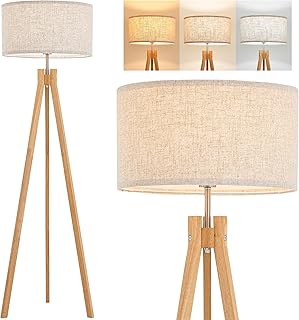
ELYONA Nordic Wood Tripod Floor Lamp, Modern Reading Standing Lamp for Living Room 3 Color Temperatures LED Bulb Included Flaxen Lamp Shade, Boho Natural Wooden floor lamp for Bedroom Office Kids Room
The audit checklist flags 'lighting beyond overhead' as commonly missing in living rooms, and the worked example specifically prioritizes a floor lamp because everyday lighting matters more than wall art. A wood-toned lamp with adjustable color temperature suits the light-wood, Scandinavian-leaning style called out after the quiz, making it a natural pick for Step 4's shopping list.
View on Amazon
Deeprove Boho Curtain 84 Inches Long, Cotton Linen Nordic Scandinavian Style White Stripes Embroidery Shabby Chic Hollow Geometric, Semi Blackout Window Vintage Drape Tassels, 1 Panel W52 x L84
Window coverings appear twice in the guide's checklist — as a bedroom gap and as a prioritized living room item in the worked example, since privacy is ranked ahead of decorative extras. A cotton-linen curtain in a Nordic-inspired print supports the soft-textile, muted-color direction the style step points toward, offering a concrete option for closing that specific gap.
View on Amazon