The Decorating Budget Reset: What's Left to Spend, Room by Room
Design theme: Minimalist
A step-by-step decorating budget reset that tallies what you've already spent per room against what's left, so finishing your apartment doesn't mean overspending.
As an Amazon Associate, Nido earns from qualifying purchases.
If you moved in months ago and the apartment still isn't finished, the problem usually isn't taste — it's that nobody knows what's actually left in the budget. A decorating budget reset is the fix: a short exercise where you tally what you've spent per room against what you originally planned, so the last few purchases (a rug here, a lamp there) don't quietly blow past what you meant to spend. This guide walks through exactly how to do that reset, room by room, with a worked example you can copy.
Why a decorating budget reset works better than "just finishing up"
Most half-furnished apartments didn't stall because of one big decision — they stalled because small purchases happened out of order and out of sight of any running total. A gift card covered the coffee table. A card payment covered the desk chair. Nobody added it up. By the time you're shopping for the last pieces, you're guessing at what's left, which is how a "finishing touches" budget turns into another few hundred dollars you didn't plan for. Resetting the numbers first means every remaining purchase is a decision you can actually see.
The decorating budget reset checklist
Set aside 20–30 minutes and work through these steps in order. You'll need your bank or card statements from the move-in period, and a rough memory of your original total budget.
- Write down your original total budget. If you never set one, estimate what feels reasonable now — this reset works even starting from scratch.
- List every room that needs finishing. Living room, bedroom, kitchen, bathroom, entryway — anywhere you know something is still missing.
- Pull actual spend per room from statements. Go line by line for the last few months and sort each purchase into a room. Round to the nearest $10 if exact numbers are hard to find.
- Subtract spent from planned, per room. This gives you a remaining number for each room, not just one lump sum for the whole apartment.
- Flag rooms where spend already exceeds plan. Those rooms get a $0 or reduced budget for anything further, even if they still look unfinished — the fix there is a phased buy from savings, not the current pot.
- Total the remaining numbers. That combined figure is your real decorating budget for what's left, not the number you started with months ago.
If you want a companion list of what's still physically missing in each room before you re-budget for it, the half-furnished room audit checklist pairs well with this reset — audit first, then price what's left against the number you calculate here.
Minimalist product idea: TUTOTAK Narrow Side Table, 2-Tier Small End Table for Couch. A small side table like this fits naturally into the living room line of the worked example, where leftover budget after a sofa purchase is often just enough for one more piece. Its two-tier, narrow design suits a minimalist room where you want added surface space without crowding the layout, making it a reasonable candidate when you're deciding how to spend the remaining living room figure from your reset.

A worked example: resetting a $2,400 apartment budget
This is a hypothetical walkthrough to show the method, not a claim about typical costs — your numbers will differ.
Say a renter set an original decorating budget of $2,400 when they moved in six months ago, split loosely across four rooms: $900 living room, $700 bedroom, $500 kitchen, $300 entryway/bath.
- Living room: planned $900, spent $640 on a sofa and side table → $260 left.
- Bedroom: planned $700, spent $710 on a bed frame and mattress → over by $10, so $0 remaining and no further bedroom spend until other rooms are done.
- Kitchen: planned $500, spent $210 on basics → $290 left.
- Entryway/bath: planned $300, spent $40 on towels → $260 left.
Total remaining across the apartment: $810 — not the $2,400 they started with, and not zero either. That $810 becomes the real number to plan the last purchases against, and it's now clear the bedroom is finished (however it looks) while the living room and kitchen still have room to spend.
Turning the reset into next purchases
Once you have a real per-room number, the next decision is where that remaining money goes first. Nido's budget planner can hold this same room-by-room structure so the running total updates automatically as you add items, instead of you re-adding statement lines every few weeks — it tracks spend across rooms and flags cheaper swaps before a category goes over. If you're also trying to decide which room to tackle with the money that's left, pairing this reset with a room-by-room plan makes the next purchase obvious rather than another guess. For context on what a full room typically costs to finish, the guide on what each room actually costs is a useful benchmark to check your remaining number against.
Minimalist product idea: 5x7 Washable Rugs Non Slip Minimalist Area Rug for Bedroom Soft Low Pile Solid Color Large Bedroom Throw Carpet Stain Resistant Classic Neutral Area Rug Plain Boho Rugs for Kitchen Nursery, Ivory. When a bedroom reset shows no money left, a rug is exactly the kind of item to defer rather than buy, but for a room still under budget — like the kitchen or entryway in the example — a low-pile, solid-color rug described as washable and stain resistant fits a minimalist look while being practical for higher-traffic spots. It's worth listing as a candidate once you know which room's remaining number can actually cover it.
Frequently asked questions
How often should I do a decorating budget reset?
Once at the start of finishing your apartment is the minimum, but doing it again anytime you've made a handful of purchases since the last check — roughly every month or two — keeps the running total accurate instead of stale. The New Year window is a natural trigger since it's when most people revisit unfinished rooms anyway.
What if I never set an original decorating budget?
Start the reset from your current spend instead of an old plan. Total what you've spent per room to date, decide what feels reasonable to add per room from here, and use that forward-looking number as your "remaining" figure going forward.
Should I reset the budget per room or for the whole apartment at once?
Per room. A single apartment-wide total hides the fact that one room (like the bedroom in the worked example) may already be over budget while another still has room to spend. Room-by-room tallies are what let you make an accurate next decision instead of an average guess.
What counts as "spent" if I received something as a gift?
For the purpose of this reset, count only money that came out of your own decorating budget. A gifted item furnished the room but didn't cost you anything from the pot you're tracking, so it doesn't need to be subtracted — though it's still worth noting in your room-by-room list so you don't accidentally rebuy it.

Minimalist product idea: EDISHINE LED Table Lamps for Living Room, Modern Dimmable Desk Lamp, Black. A dimmable table lamp is a small, clearly priced-feeling purchase that suits the living room category in this reset, where leftover budget after bigger furniture is often modest. Its described black, modern design aligns with a minimalist theme, and lighting is a common 'last item' people forget to budget for separately when tallying room-by-room spend.
What if a room is already over budget but still looks unfinished?
Flag it and pause new spend there rather than pulling from other rooms' remaining budget to cover it. The fix is usually to finish that room more slowly from a future paycheck, not to quietly reallocate money meant for the kitchen or entryway.
Do I need special software to do this reset?
No — a spreadsheet or even a notebook works for a one-time reset. Software helps mainly with keeping the tally current afterward, since it can hold the per-room structure and update automatically as you log new purchases instead of you re-totaling statements every time.
Further reading: Blogs | NationwideBuyingGroup.
Shop the Minimalist look
As an Amazon Associate, Nido earns from qualifying purchases.

TUTOTAK Narrow Side Table, 2-Tier Small End Table for Couch
A small side table like this fits naturally into the living room line of the worked example, where leftover budget after a sofa purchase is often just enough for one more piece. Its two-tier, narrow design suits a minimalist room where you want added surface space without crowding the layout, making it a reasonable candidate when you're deciding how to spend the remaining living room figure from your reset.
View on Amazon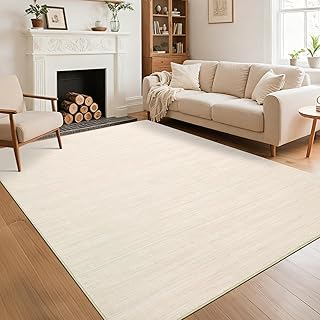
5x7 Washable Rugs Non Slip Minimalist Area Rug for Bedroom Soft Low Pile Solid Color Large Bedroom Throw Carpet Stain Resistant Classic Neutral Area Rug Plain Boho Rugs for Kitchen Nursery, Ivory
When a bedroom reset shows no money left, a rug is exactly the kind of item to defer rather than buy, but for a room still under budget — like the kitchen or entryway in the example — a low-pile, solid-color rug described as washable and stain resistant fits a minimalist look while being practical for higher-traffic spots. It's worth listing as a candidate once you know which room's remaining number can actually cover it.
View on Amazon
EDISHINE LED Table Lamps for Living Room, Modern Dimmable Desk Lamp, Black
A dimmable table lamp is a small, clearly priced-feeling purchase that suits the living room category in this reset, where leftover budget after bigger furniture is often modest. Its described black, modern design aligns with a minimalist theme, and lighting is a common 'last item' people forget to budget for separately when tallying room-by-room spend.
View on Amazon