What Does Renters Insurance Cover? Personal Property, Liability, and Loss of Use Explained
Design theme: Minimalist
A plain-English breakdown of the three core renters insurance coverages — personal property, liability, and loss of use — with real trigger scenarios showing which clause applies when.
As an Amazon Associate, Nido earns from qualifying purchases.
If you're asking what does renters insurance cover personal property liability loss of use, the honest answer is: three distinct things, each triggered by a different kind of bad day. Most standard policies bundle these three coverages together, but they don't all activate in the same situations — and knowing which one applies to which scenario is the fastest way to understand what you're actually buying.
This guide walks through each coverage on its own, then maps common first-apartment situations to the clause that would respond, so you're not left guessing which part of the policy matters when something actually happens.
What does renters insurance cover: personal property, liability, and loss of use, one at a time
A standard renters policy typically combines personal property coverage, liability coverage, and loss of use (also called additional living expenses) into one bundle. Each one protects a different kind of risk.
Personal property coverage: your stuff
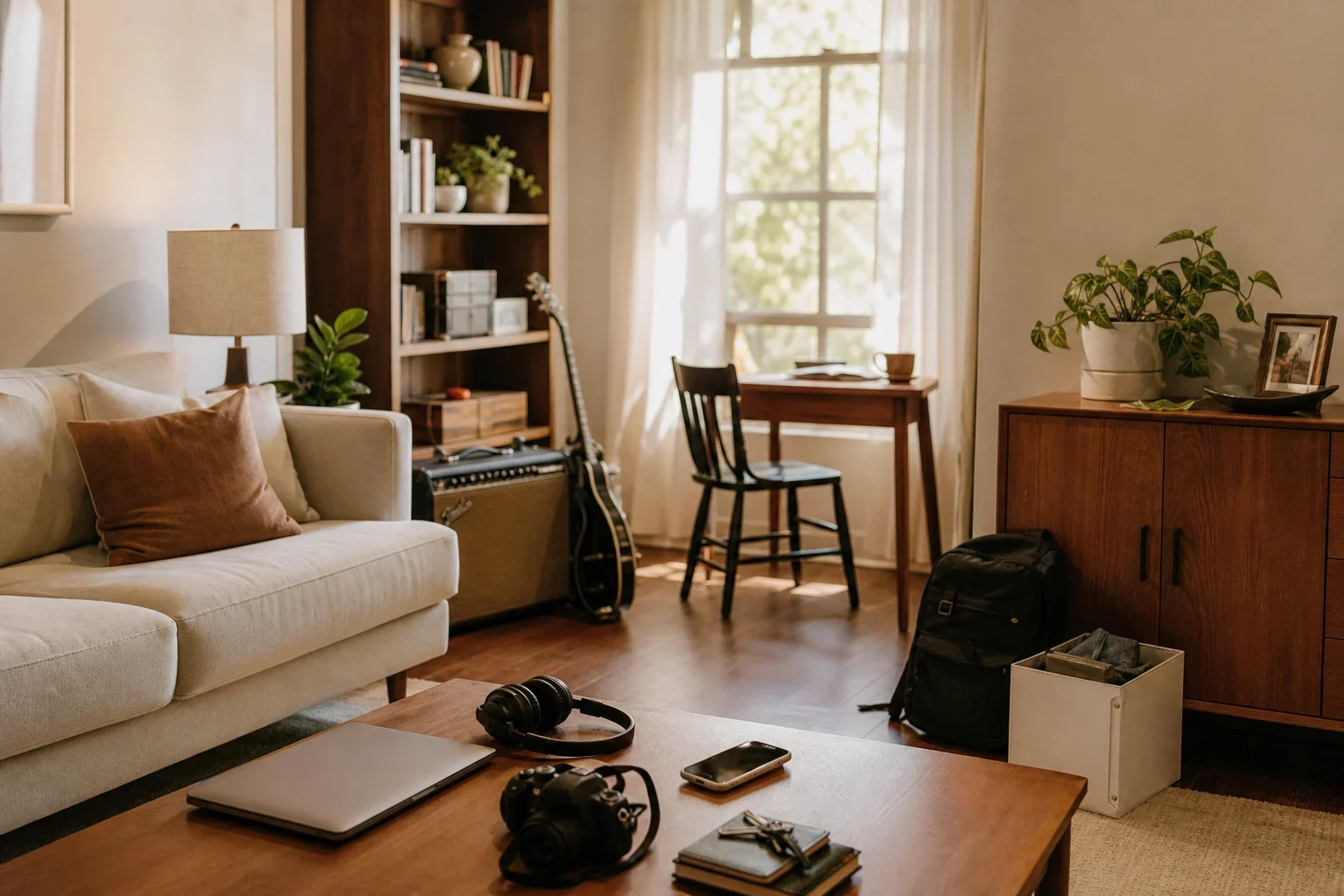
Personal property coverage reimburses you when belongings are damaged, destroyed, or stolen by a covered peril — things like fire, theft, or certain types of water damage. It generally applies whether the loss happens inside your apartment or elsewhere, such as a laptop stolen from a parked car. One detail worth checking before you buy: whether your policy pays replacement cost (what it costs to buy a comparable item today) or actual cash value (today's price minus depreciation) — the payout for an older couch or laptop can differ significantly between the two.
Minimalist product idea: 8-Drawer Dresser for Bedroom, Anti-Tip Tall Storage Organizer. The article's worked pipe-burst example mentions a ruined dresser, which is a concrete reminder that bedroom storage is exactly the kind of belonging personal property coverage is meant to address. An anti-tip, tall-profile dresser design also fits a minimalist first-apartment layout where vertical storage saves floor space, making it a natural example when thinking room-by-room about what you'd want a policy to cover.
Liability coverage: when you're responsible for someone else's loss
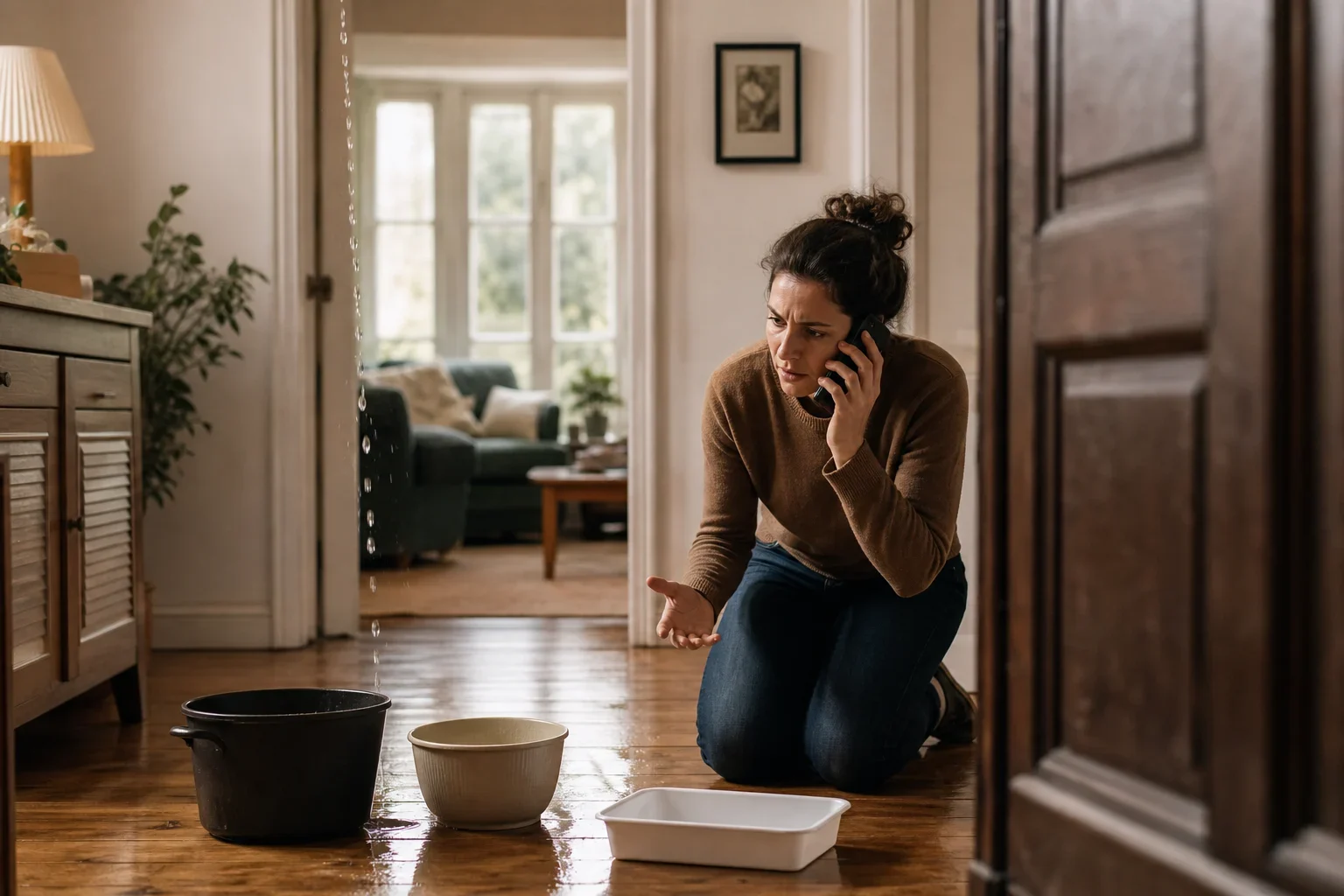
Liability coverage protects your finances if you're found responsible for someone else's injury or property damage. Common triggers include a guest slipping and getting hurt in your apartment, your pet damaging a neighbor's belongings, or a leak in your unit damaging a neighbor's property. Many standard policies start around $100,000 in liability protection, though limits vary by policy.
Loss of use: covering you while your home is unlivable
Loss of use (or additional living expenses) coverage pays for temporary housing, meals, and related costs if a covered event makes your rental temporarily uninhabitable — for example, a fire that requires repairs before you can move back in. This coverage is the renter-side equivalent of a landlord's loss-of-rent coverage: it's about keeping you housed while the problem gets fixed, not about replacing your belongings.
Trigger-scenario table: which coverage actually applies
| Situation | Coverage that typically responds | Why |
|---|---|---|
| A fire in a neighbor's unit damages your apartment and belongings | Personal property + loss of use | Property coverage replaces damaged belongings; loss of use pays for a hotel while repairs happen |
| Your car window is broken and a laptop is stolen from inside | Personal property | Personal property coverage commonly extends to belongings stolen outside the home, including from a vehicle |
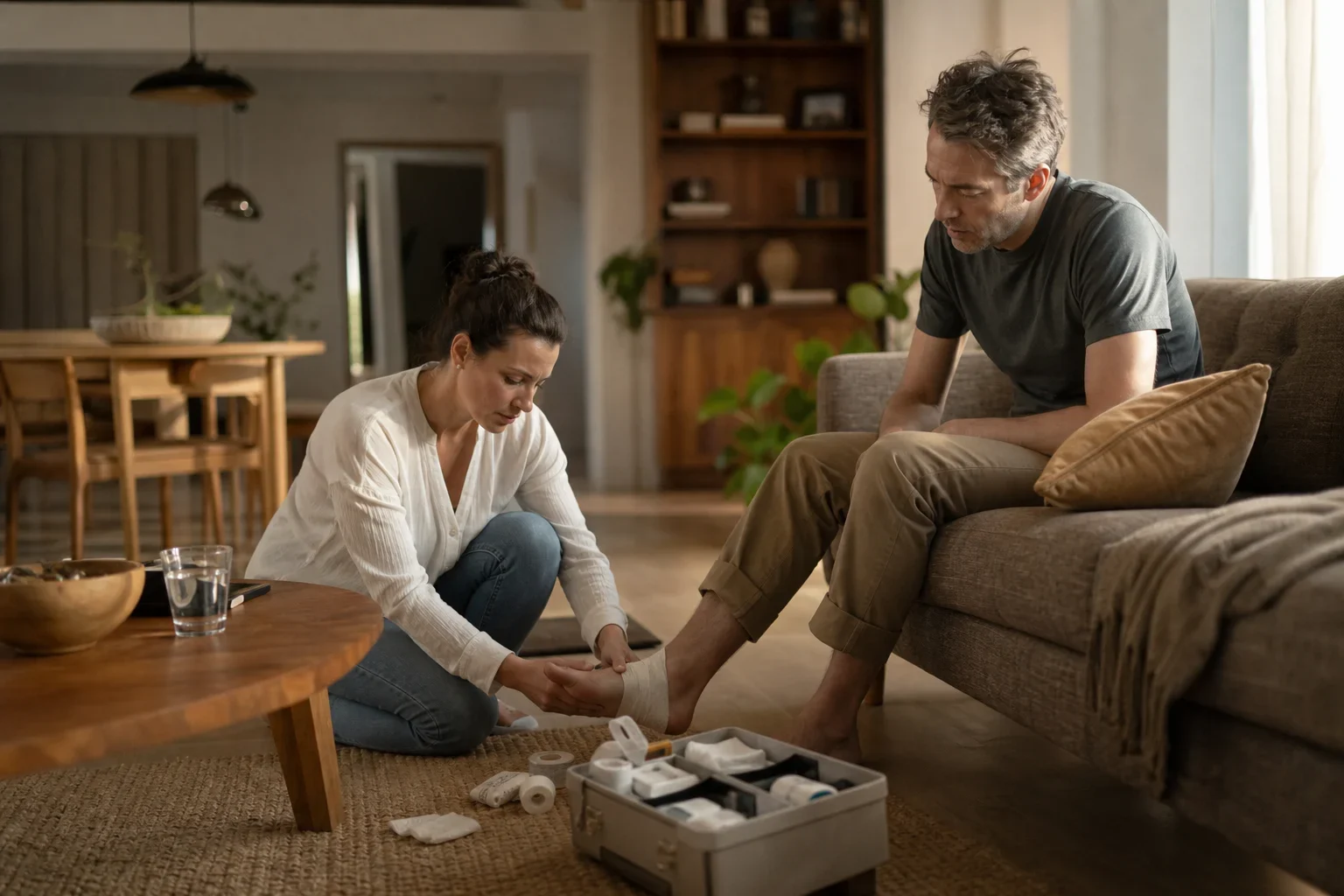
| A guest slips on a wet floor and needs medical care | Liability | Liability coverage can help pay medical costs and legal fees if you're responsible for someone else's injury |
| A pipe bursts in your unit and damages a neighbor's belongings | Liability | Liability coverage may help pay for repairs or replacement of a neighbor's damaged property |
| Your unit becomes temporarily unlivable after a covered loss | Loss of use | This coverage pays for temporary housing, meals, and related costs while your unit is repaired |
A worked hypothetical: one pipe burst, three coverages
This is an illustrative example, not a real claim or guaranteed outcome. Imagine a pipe bursts in the unit above yours on a Tuesday night. Water soaks your bedroom, ruining a mattress and a dresser, and also drips into your downstairs neighbor's kitchen. You can't sleep in the apartment while drywall dries out, so you book three nights in a nearby hotel. In this scenario: personal property coverage would be the piece that addresses your ruined mattress and dresser; liability coverage would be the piece relevant to the damage in your neighbor's kitchen (if you were found responsible); and loss of use would be the piece that could help with your hotel bill while repairs happen. Three different problems, three different clauses — which is exactly why it helps to know what each one does before you need any of them.
Knowing what's in each room makes the property side easier to estimate
Personal property coverage is the piece most tied to what you actually own, and it's easiest to think about room by room rather than as one lump guess. If you're still furnishing and want a clear sense of what a room typically includes, Nido's Ask Nido feature lets you describe a room the way you'd tell a friend — "what do I need for a living room?" — and turns the answer into a real, shoppable list matched to your budget. Having that kind of room-by-room list on hand isn't insurance advice, but it does give you a concrete starting point when you're deciding what belongings you'd want a policy to cover. For the broader move-in picture — timing the purchase, building documentation, and estimating a coverage number — see the full renters insurance pillar guide.
Minimalist product idea: 6th Generation Japanese Floor Futon Mattress - Extra-Thick 9-Layer Modern Futon with 100% High-Density Foam, Portable Floor Mattress Sleeping Pad for Adults, Guest Room, Dormitory, Twin Size (39"X80"). Since the guide ties personal property coverage to everyday bedroom items like mattresses, a portable floor futon is a useful example of flexible, space-saving sleeping gear that fits a minimalist, multi-purpose living setup — the kind of item worth listing when estimating what's actually in a room for coverage purposes, especially in shared or guest spaces.
Frequently asked questions
What's the difference between personal property coverage and liability coverage?
Personal property coverage reimburses you for your own belongings when they're damaged, destroyed, or stolen. Liability coverage is the opposite direction: it protects you financially when you're responsible for someone else's injury or someone else's property being damaged. They're often bundled in the same policy, but they respond to different kinds of events.
Does loss of use cover a hotel after a fire?
Loss of use (also called additional living expenses) coverage is designed for exactly that situation — it can help pay for a hotel, meals, and other temporary housing costs if a covered event makes your rental temporarily unlivable while repairs are made. The specifics of what's included and for how long depend on your individual policy.
Is a guest's injury covered under my renters policy?
Liability coverage is generally the piece that applies if a guest is injured in your apartment and you're found responsible — it can help with medical costs and legal fees. Every policy differs in its limits and conditions, so confirming the details with your insurer before assuming full coverage is worth doing.
Does renters insurance cover theft from my car?
Personal property coverage commonly extends to belongings stolen from a vehicle, not just items stolen from inside your home — a laptop taken during a car break-in is a frequently cited example. The vehicle itself would fall under auto insurance, not your renters policy.
Minimalist product idea: Honeywell HWT-H01 LED Desk Lamp, Foldable & Stepless Dimmable, Black. A foldable, stepless-dimmable desk lamp is a compact, clean-lined accessory that suits a minimalist room setup and illustrates the smaller electronics and fixtures that also belong on a personal-property list — practical to mention alongside larger furniture when thinking through what a room actually contains.
What isn't covered by these three core coverages?
Standard renters insurance policies commonly exclude flood damage and earthquake damage, both of which usually require separate coverage. Pest infestations are typically treated as a maintenance issue rather than a sudden covered event. It's worth reading your specific policy's exclusions list rather than assuming any of the three coverages apply universally.
Do personal property, liability, and loss of use all come in one policy, or are they separate purchases?
In most standard renters insurance policies, all three are bundled into a single policy rather than sold separately. What varies between insurers and plans is the dollar limit on each piece — for example, how much personal property coverage you choose, or what liability limit you select — not whether the three types of protection are included at all.
Does renters insurance cover a roommate's belongings under the same clause?
Generally, no — standard renters insurance policies typically cover only the named policyholder's personal property, and a roommate's belongings usually aren't included unless they're specifically listed on the policy. If you're sharing a unit, it's worth confirming with the insurer whether each person needs their own policy or whether one policy can list multiple residents.
Shop the Minimalist look
As an Amazon Associate, Nido earns from qualifying purchases.

8-Drawer Dresser for Bedroom, Anti-Tip Tall Storage Organizer
The article's worked pipe-burst example mentions a ruined dresser, which is a concrete reminder that bedroom storage is exactly the kind of belonging personal property coverage is meant to address. An anti-tip, tall-profile dresser design also fits a minimalist first-apartment layout where vertical storage saves floor space, making it a natural example when thinking room-by-room about what you'd want a policy to cover.
View on Amazon
6th Generation Japanese Floor Futon Mattress - Extra-Thick 9-Layer Modern Futon with 100% High-Density Foam, Portable Floor Mattress Sleeping Pad for Adults, Guest Room, Dormitory, Twin Size (39"X80")
Since the guide ties personal property coverage to everyday bedroom items like mattresses, a portable floor futon is a useful example of flexible, space-saving sleeping gear that fits a minimalist, multi-purpose living setup — the kind of item worth listing when estimating what's actually in a room for coverage purposes, especially in shared or guest spaces.
View on Amazon
Honeywell HWT-H01 LED Desk Lamp, Foldable & Stepless Dimmable, Black
A foldable, stepless-dimmable desk lamp is a compact, clean-lined accessory that suits a minimalist room setup and illustrates the smaller electronics and fixtures that also belong on a personal-property list — practical to mention alongside larger furniture when thinking through what a room actually contains.
View on Amazon